Pressure Washing 101: When and How to Clean Your Pool Deck in Land O' Lakes
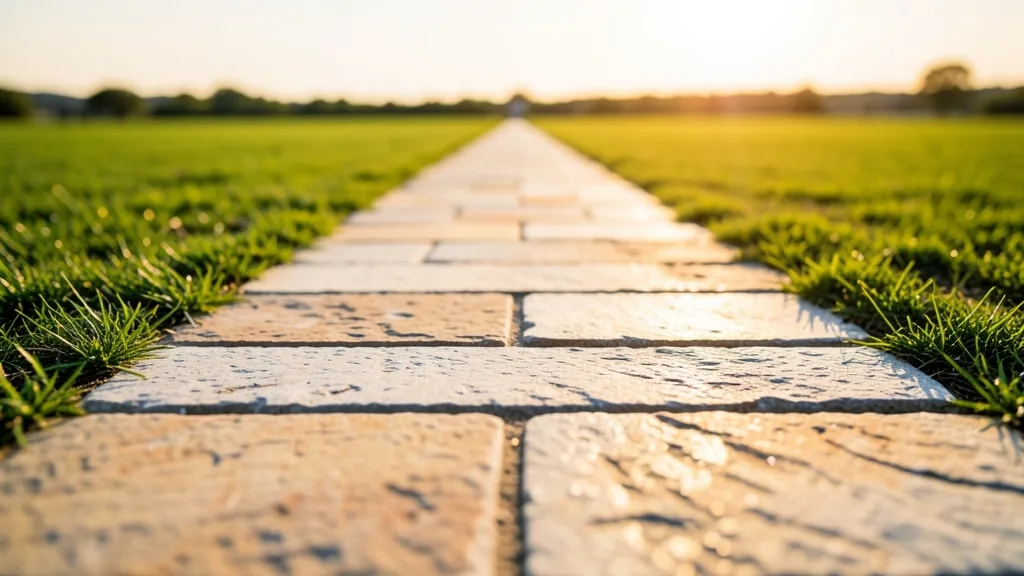
A pool deck takes a beating in our Florida climate—sun, chlorine, and humidity breed stains, algae, and slippery grime. Proper pressure washing restores traction, appearance, and lifespan without damaging the surface. We’ll show you when it’s needed and how to do it right.
Why Pool Decks in Our Area Need Regular Pressure Washing
Florida’s heat, humidity, and frequent rain accelerate organic growth on pool decks. Algae, mold, and mildew thrive in shaded spots, turning surfaces green and dangerously slick.
Chlorine and saltwater from the pool also leave behind mineral deposits and efflorescence, especially on concrete and pavers. Without cleaning, these buildups etch surfaces and degrade sealants faster.
In neighborhoods like Odessa or Lutz, dust and pollen add another layer of grime. A clean deck isn’t just about looks—it’s about safety and preventing costly repairs.
Signs Your Pool Deck Needs Pressure Washing
Visible dark streaks or green patches mean algae or mold has taken hold. These aren’t just eyesores—they create slip hazards for kids and pets.
White, chalky residue on concrete or pavers signals efflorescence or mineral buildup from water evaporation. It’s a sign your deck’s porosity is compromised.
Stains from leaves, dirt, or spilled chemicals won’t come off with a hose or broom. When scrubbing fails, it’s time for a pressure washer.
Red Flags for Pool Deck Cleaning
- Slippery surface underfoot
- Green, black, or brown discoloration
- White mineral stains or efflorescence
- Visible dirt in grout lines or paver joints
- Fading or dull appearance despite sweeping
Best Times of Year to Pressure Wash Your Pool Deck
Early spring is ideal—before pool season kicks in and pollen peaks. A clean deck sets the stage for summer and prevents grime from baking in under the Florida sun.
Late fall works too, especially if you’re winterizing. Removing organic buildup before cooler, damper months reduces the risk of mold taking root over winter.
Avoid the height of summer if possible. High temps can cause cleaning solutions to dry too quickly, leaving streaks. Morning or evening sessions help, but spring and fall are safer bets.
Pressure Washing Methods: What’s Safe for Your Deck
Not all pool decks handle the same PSI. Concrete and travertine tolerate higher pressure (2,500–3,500 PSI), but pavers and softer stone need gentler settings (1,200–1,800 PSI) to avoid etching.
Soft washing—a low-pressure technique using specialized detergents—is best for delicate surfaces or heavy organic growth. It kills mold and algae at the root without damaging the material.
For textured or stamped concrete, a surface cleaner attachment ensures even pressure and prevents streaking. Always test a small area first to gauge the effect.
| Material | PSI Range | Nozzle Tip | Notes |
|---|---|---|---|
| Concrete (standard) | 2,500–3,500 PSI | 25° or 40° | Use a surface cleaner for large areas |
| Stamped/Colored Concrete | 1,800–2,200 PSI | 40° | Avoid high pressure to prevent color loss |
| Pavers (concrete/brick) | 1,200–1,800 PSI | 40° | Angle nozzle to avoid dislodging joint sand |
| Travertine/Flagstone | 800–1,200 PSI | 40° or 65° | Soft wash preferred; never use high pressure |
| Wood Decks | 500–1,200 PSI | 40° or 65° | Pre-treat with deck cleaner; avoid direct pressure on wood fibers |
Pre-Cleaning Prep: Protect Your Pool and Surroundings
Cover the pool with a tarp or plastic sheeting to prevent chemicals and debris from entering the water. Even eco-friendly cleaners can disrupt pH balance.
Wet down nearby plants and grass with a hose before starting. This dilutes any overspray from detergents or bleach alternatives, protecting your landscaping.
Remove furniture, toys, and loose items from the deck. Secure or cover electrical outlets and lighting fixtures to avoid water damage.
Never pressure wash a pool deck without first checking for loose or damaged pavers or cracks in concrete. High pressure can turn minor issues into major repairs.
Cleaning Solutions: What Works (and What Doesn’t)
For organic stains, a mix of water and sodium hypochlorite (bleach) at a 10:1 ratio is effective, but it requires careful rinsing to avoid damaging plants or pool finishes.
Oxygen-based cleaners (like OxiClean) lift dirt and brighten surfaces without harsh chemicals. They’re safer for colored concrete and pavers but may need longer dwell time.
Degreasers tackle oil or sunscreen stains near lounge areas. For saltwater pools, a mild acid wash (like diluted muriatic acid) can remove mineral deposits—but leave this to pros.
Pre-treat heavy stains with a dedicated concrete or paver cleaner and a stiff brush. Let it dwell for 10–15 minutes before pressure washing for best results.
Post-Washing Care: Sealing and Maintenance
After cleaning, let the deck dry completely (24–48 hours in our humidity) before applying a sealant. Penetrating sealers work best for concrete and pavers, while film-forming sealers enhance color on stamped surfaces.
Reapply sealant every 2–3 years, or annually for high-traffic decks. This blocks moisture, UV rays, and stains, extending the life of your investment.
Regular maintenance—sweeping, spot-cleaning spills, and annual pressure washing—keeps your deck looking new. In areas like Wesley Chapel or Trinity, where pollen is heavy, more frequent cleaning may be needed.
When to Call in the Pros
If your deck has deep stains, heavy mold, or delicate materials like travertine, DIY pressure washing can do more harm than good. Our team uses commercial-grade equipment and soft wash systems tailored to each surface.
Large decks or those with intricate designs (like stamped concrete) benefit from professional surface cleaners and techniques that ensure even results without damage.
For homes in Zephyrhills or Lutz with older decks, we assess structural integrity before cleaning to avoid exacerbating existing issues. Safety and precision matter.
How to Pressure Wash Your Pool Deck Safely
Follow these steps to clean your pool deck without damaging the surface or your equipment.
- 1Inspect and Prepare the Area
Check for cracks, loose pavers, or damaged sealant. Clear the deck of furniture and cover the pool, plants, and electrical components.
- 2Choose the Right Equipment
Select a pressure washer with adjustable PSI (1,200–3,500 PSI range) and a 25° or 40° nozzle. For large areas, use a surface cleaner attachment.
- 3Apply Cleaning Solution
Pre-treat the deck with a suitable cleaner (bleach solution, oxygen-based, or degreaser). Use a pump sprayer for even coverage and let it dwell for 5–10 minutes.
- 4Pressure Wash in Sections
Start at the farthest corner and work toward the pool. Hold the nozzle 12–18 inches from the surface, using overlapping passes. Keep the wand moving to avoid etching.
- 5Rinse Thoroughly
Use clean water to rinse away all detergent and debris. Pay extra attention to grout lines and edges where grime accumulates.
- 6Dry and Inspect
Allow the deck to dry completely. Inspect for missed spots or damage, and reapply cleaner to stubborn areas if needed.
Frequently Asked Questions
How often should I pressure wash my pool deck in Land O' Lakes?
Most pool decks need pressure washing every 1–2 years, but high-traffic areas or decks under heavy tree cover may require annual cleaning. Our humidity and frequent rain can accelerate grime buildup, so keep an eye on slippery spots or discoloration.
Can I use bleach to clean my paver pool deck?
Yes, but dilute it properly (10:1 water-to-bleach ratio) and rinse thoroughly. Bleach can lighten paver color over time, so test a small area first. For colored or sealed pavers, oxygen-based cleaners are a safer alternative.
Will pressure washing remove the sand between my pavers?
It can if you use too much pressure or the wrong nozzle. Stick to 1,200–1,800 PSI with a 40° tip, and angle the spray away from the joints. For heavily compacted sand, consider re-sanding after cleaning.
Is soft washing better for my pool deck than pressure washing?
Soft washing is ideal for delicate surfaces like travertine or heavily stained decks with mold and algae. It uses low pressure and specialized detergents to clean without risking damage. For standard concrete, traditional pressure washing is often sufficient.
Can pressure washing damage my pool’s finish?
Yes, if chemicals or debris enter the water. Always cover the pool and rinse the deck thoroughly after cleaning. Avoid using harsh acids near the pool, as they can corrode liners or finishes.
Do I need to seal my pool deck after pressure washing?
Sealing isn’t mandatory, but it’s highly recommended—especially in Florida. A quality sealant protects against UV damage, moisture, and stains, extending the life of your deck. Wait 24–48 hours after cleaning to apply it.